sonomono® Products


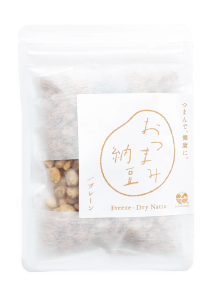
Sprinkle, mix, and enjoy!
Articles
Supervised by experts

Kazuya Ogasawara

Emi Hidaka

Sentaro Kimura
sonomono® Products
Sprinkle, mix, and enjoy!
Supervised by experts
Kazuya Ogasawara
Emi Hidaka
Sentaro Kimura


The human gut hosts approximately 1,000 different species of bacteria, totaling 100 trillion to 1,000 trillion individual microbes. These gut bacteria are broadly classified into three groups:
Research suggests that the optimal ratio of these groups is roughly 2:1:7 (good:bad:opportunistic). Opportunistic bacteria act in favor of beneficial bacteria when the gut environment is healthy, but can support harmful bacteria if the gut environment is poor.
Today, scientific studies show that gut health is not only linked to digestive conditions such as constipation, diarrhea, and obesity, but also affects mental health (including depression), cancer risk, and cognitive health.
Maintaining a healthy gut microbiome is therefore essential for overall physical and mental well-being.

Maintaining a healthy gut starts with a balanced diet. It’s important to consume the right amounts of protein, carbohydrates, and fats, while also including dietary fiber, oligosaccharides, vitamins, and minerals.
One of the best foods for achieving this balance is natto.
Natto contains:
How these components support gut health:
Incorporating natto into your diet can therefore help create a favorable environment for gut bacteria, contributing to both digestive comfort and overall wellness.

Natto and the bacteria it contains have been associated with a variety of health benefits, one of which is supporting healthy bowel movements.
Constipation is a common issue among women and older adults, but recent research also highlights its prevalence in infants and children, making it a noteworthy health concern. Chronic constipation can lead to:
In more severe cases, it may contribute to:
A key factor in preventing and alleviating constipation is maintaining a healthy gut microbiome — and this is where natto plays a role.
How natto helps:
Natto bacteria support the growth and activity of beneficial gut bacteria, such as lactic acid bacteria and Bifidobacteria. By promoting these friendly microbes, natto contributes to a balanced intestinal environment, which can help improve digestion and relieve constipation over time.

Natto is rich in dietary fiber, oligosaccharides, vitamins, minerals, and natto bacteria, all of which play an important role in supporting healthy intestinal function.
A diet lacking in fiber can make constipation more likely. Dietary fiber is classified into soluble fiber and insoluble fiber, and it is important to consume both types in balance for optimal digestive health.
By providing both types of fiber, along with oligosaccharides and other nutrients, natto supports a healthy gut environment and can help reduce the risk of constipation.
Soluble fiber helps soften stools and also serves as food for beneficial gut bacteria, supporting their growth and improving intestinal function. Oligosaccharides, which are also present in natto, are a type of soluble fiber with similar benefits.
Insoluble fiber absorbs water to increase stool volume and stimulates the intestines, promoting regular bowel movements and supporting overall gut activity.
By providing both soluble and insoluble fiber, natto contributes to a balanced digestive system and can help prevent or relieve constipation.
Natto contains a well-balanced combination of soluble and insoluble fiber. In 100 grams of edible natto:
This balanced fiber content helps support healthy digestion, maintain regular bowel movements, and feed beneficial gut bacteria, making natto an excellent food for promoting overall gut health.
Natto contains both essential nutrients that help support gut activity and natto bacteria. Natto bacteria assist the growth and activity of beneficial gut microbes, such as lactic acid bacteria and Bifidobacteria, contributing to a healthier intestinal environment.
When harmful bacteria dominate the gut, they produce substances that can lead to constipation, diarrhea, and may contribute to other health issues. Supporting beneficial bacteria and maintaining a balanced gut microbiome is therefore fundamental not only for regular bowel movements but also for overall health.
Including natto in your diet is an easy and traditional way to help promote a healthy gut and support digestive wellness.

Fit Keyaki 602, 2-16-6 Kego, Chuo Ward, Fukuoka, 810-0023, Japan
Customer support
Legal and Corporate Information
Ordering and Inquiries by Phone
Attention available only in Japanese.
Operating Hours: 9:00 AM to 5:00 PM(Closed on weekends and Japanese holidays)
For Media Coverage or Lecture Requests

Operating Hours: 1:00 PM to 5:00 PM (Weekdays only)※Click here for inquiries regarding business purposes.
Please input the required information and submit. We will respond from the next business day.