sonomono® Products


Sprinkle, mix, and enjoy!
Articles
Supervised by experts

Kazuya Ogasawara

Emi Hidaka

Sentaro Kimura
sonomono® Products
Sprinkle, mix, and enjoy!
Supervised by experts
Kazuya Ogasawara
Emi Hidaka
Sentaro Kimura


Natto is a traditional Japanese fermented food made using a special microorganism called natto bacteria (Bacillus subtilis var. natto). These bacteria naturally live on rice straw, plants, and even in soil. When steamed soybeans are inoculated with natto bacteria and allowed to ferment, they transform into the sticky, flavorful natto we know today.
Each natto strain has its own character. Some strains create a stronger aroma or more stickiness than others, a natural reflection of their bacterial individuality.


One of natto bacteria’s most remarkable features is their ability to form spores. When environmental conditions become unfavorable, they develop a protective coating — a biological shield. In spore form, natto bacteria can resist extreme heat (even boiling water), freezing temperatures, dryness, vacuum environments, and strong acids like stomach acid.
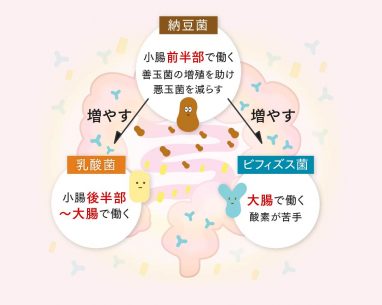
Thanks to this survival ability, natto bacteria can pass through the stomach without being destroyed and reach the intestines alive. Once in the small intestine, they begin to multiply and act as beneficial bacteria, helping suppress harmful microbes.
Natto bacteria support the growth of other beneficial gut bacteria, such as lactic acid bacteria and Bifidobacteria. These friendly microbes are sensitive to oxygen and oxidative stress. Natto bacteria absorb oxygen and help neutralize reactive oxygen species, creating a more favorable environment for probiotic strains to thrive.
Research has shown that consuming natto bacteria can increase levels of beneficial gut bacteria, and for this reason, natto bacteria are included in certain probiotic supplements and digestive health products.

During fermentation, natto bacteria break down soybean proteins and starches into amino acids and glucose, which are more readily absorbed by the human body. Amino acids also contribute to natto’s savory umami flavor.
In addition to these components, natto bacteria produce a wide range of beneficial substances, including oligosaccharides, vitamin K₂, nattokinase, and PGA (polyglutamic acid — the sticky component of natto). Thanks to these functional compounds, natto is not only a nutritious food but is also used in supplements and digestive health products.
Below is an overview of key functional compounds created by natto bacteria and how they support health:
5-Aminolevulinic Acid (5-ALA)
A naturally occurring amino acid found in the cells of humans, animals, and plants. It plays a crucial role in producing energy needed for life processes and is sometimes referred to as a “fundamental molecule for life.”
Polyamines
Related to “longevity factors” such as sirtuins, polyamines help slow cellular aging and support DNA replication and protein synthesis. They play an important role in maintaining healthy cell function.
Nattokinase
A unique enzyme produced only by natto bacteria, known for supporting healthy circulation and maintaining smooth blood flow. This enzyme has gained international attention for its potential health benefits.
Natto Peptides
Produced when nattokinase breaks down soybean proteins. Natto peptides are associated with supporting healthy blood pressure levels.
Vitamin K₂
Acts like a “glue” that helps attach calcium to bones, promoting bone strength. Vitamin K₂ also plays a role in healthy blood clotting and vascular health.
Polyglutamic Acid (PGA)
The sticky component in natto. PGA supports bone health, helps prevent dry mouth, and has moisturizing properties. It is also used in environmental technologies, such as water purification and soil moisture retention, as well as in desert greening projects.
Oligosaccharides & Dietary Fiber
Produced by breaking down the starches in soybeans. These compounds help promote digestion and serve as food for beneficial gut bacteria, supporting a healthy microbiome.
Natto Bacteria
Consuming natto bacteria directly allows them to function within the gut, where they help produce functional compounds and support a balanced intestinal environment. For this reason, natto bacteria are also included in many probiotic supplements.


Natto is often considered close to a “complete food” thanks to its exceptional nutritional profile. It contains abundant protein, vitamins, minerals, and dietary fiber, making it a powerhouse for daily health.
As we age, appetite and food intake tend to decrease, which can lead to nutrient deficiencies. In addition, harmful bacteria in the gut increase with age, contributing to constipation and various health issues. Natto can help prevent and improve these concerns by supplying key nutrients and supporting gut health.
Infants and young children require rich nutrition for growth and development. Natto contains nutrients that babies often lack — including fiber, vitamin K₂, calcium, and iron. Because gut microbiota develops during infancy, supporting gut health early is essential. Natto bacteria help increase beneficial bacteria in the digestive system, making natto an excellent option even as a complementary food during weaning.
Below is a summary of major nutrients found in natto:
Protein is essential for building and maintaining the body, including the skin, muscles, organs, and blood vessels. It also plays a major role in metabolism.
Vitamins are crucial for maintaining normal body functions. Because the body cannot produce most vitamins on its own, they must be obtained through food.
Minerals are vital nutrients, including calcium, iron, zinc, and potassium. Deficiencies can lead to various health issues and impaired bodily functions.
Often called the “sixth essential nutrient,” dietary fiber has well-known benefits for digestive health and overall wellness. Many modern diets, including in Japan, are lacking in fiber — making natto an important food to help close that gap.

With its wealth of beneficial compounds and essential nutrients, natto offers significant potential health benefits. By incorporating natto and the functional ingredients produced by natto bacteria into your diet, you can support overall wellness and help maintain a healthy body from infancy through old age.
Natto is a unique traditional food that offers valuable nutrients and supports a balanced diet at every life stage — from infancy through older adulthood. While research continues to explore its benefits, incorporating natto into meals as part of a varied and nutritious eating pattern can be a simple and enjoyable way to support overall wellness.
Every family and individual has different nutritional needs and tolerances, so it’s always best to introduce new foods gradually and choose options that work well for your lifestyle and health goals. If you have specific dietary concerns, especially for infants, young children, or older adults, consider consulting a qualified healthcare professional.
Enjoy discovering different ways to include natto in your diet and experience this traditional Japanese superfood as part of a balanced modern lifestyle.
Fit Keyaki 602, 2-16-6 Kego, Chuo Ward, Fukuoka, 810-0023, Japan
Customer support
Legal and Corporate Information
Ordering and Inquiries by Phone
Attention available only in Japanese.
Operating Hours: 9:00 AM to 5:00 PM(Closed on weekends and Japanese holidays)
For Media Coverage or Lecture Requests

Operating Hours: 1:00 PM to 5:00 PM (Weekdays only)※Click here for inquiries regarding business purposes.
Please input the required information and submit. We will respond from the next business day.