sonomono® Products


Sprinkle, mix, and enjoy!
Articles
Supervised by experts

Kazuya Ogasawara

Emi Hidaka

Sentaro Kimura
sonomono® Products
Sprinkle, mix, and enjoy!
Supervised by experts
Kazuya Ogasawara
Emi Hidaka
Sentaro Kimura
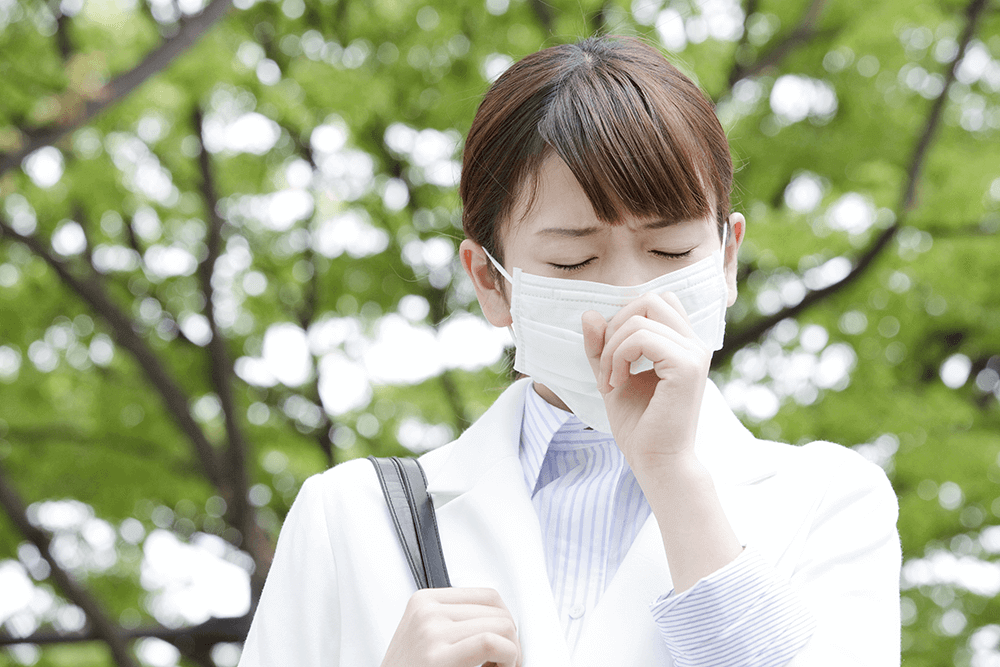
It has become increasingly clear that the gut environment plays a critical role in both physical and mental health.
Approximately 60–70% of the human immune system—including immune cells and antibodies—is located in the gut. When the gut microbiome becomes imbalanced, harmful bacteria may increase while beneficial bacteria decline, potentially weakening immune function. This imbalance has been associated with a range of physical symptoms, as well as low mood, fatigue, and reduced motivation.
If gut imbalance persists over time, immune dysfunction may escalate from simple weakening to immune overactivation. This immune dysregulation has been linked to the development of allergic conditions, autoimmune diseases, and mental health disorders such as depression.
When the immune system becomes overactive, it may trigger allergic conditions such as hay fever, atopic dermatitis, and food allergies, as well as autoimmune diseases.
Autoimmune diseases occur when immune cells mistakenly attack the body’s own healthy tissues. Common examples include rheumatoid arthritis, inflammatory bowel disease (IBD), Graves’ disease, Hashimoto’s thyroiditis, systemic lupus erythematosus, and multiple sclerosis.
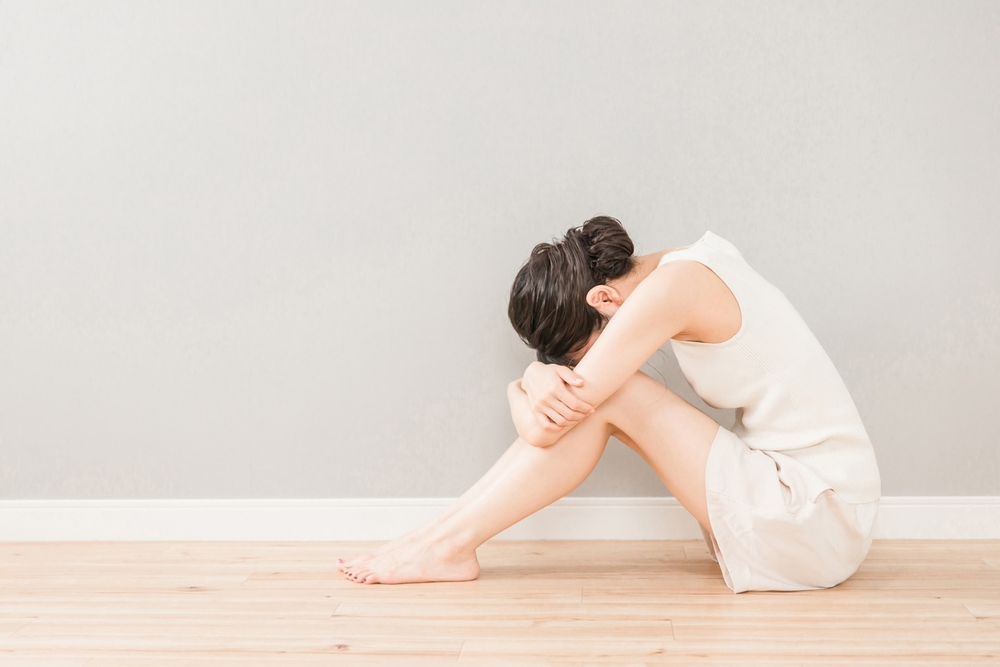
A research group from the University of Edinburgh’s Centre for Clinical Brain Sciences investigated the association between autoimmune diseases and mental health disorders. Their findings were published in BMJ Mental Health on June 10, 2025.
According to the study, individuals with autoimmune diseases had approximately twice the risk of developing mental health disorders—such as depression, anxiety disorders, and bipolar disorder—compared with the general population. The association was more pronounced in women than in men.
This analysis used data from “Our Future Health,” a newly established large-scale UK cohort study. The study included 1,563,155 adults aged 18 and older who self-reported their physical and mental health histories.
Six autoimmune diseases were examined: rheumatoid arthritis, Graves’ disease, inflammatory bowel disease (IBD), systemic lupus erythematosus, multiple sclerosis, and psoriasis.
Participants were divided into two groups:
The lifetime prevalence of mental health disorders—including depression, anxiety disorders, and bipolar disorder—was 28.8% among individuals with autoimmune diseases, compared with 17.9% in the general population.
Depression prevalence was significantly higher in the autoimmune group:
| Unit of meassurement | General Population | Patients with Autoimmune Diseases |
|---|---|---|
| Lifetime Incidence of Mental Disorders | 17.9% | 28.8% |
| Lifetime Prevalence of Depression | 15.2 % | 25.5 % |
| Prevalence of Depression (at the Time of Survey) | 10.5 % | 18.6 % |
| Anxiety Symptoms | 12.9 % | 19.9 % |
At the time of assessment, active depressive symptoms were observed in 18.6% of individuals with autoimmune diseases, compared with 10.5% in the general population.
Anxiety symptoms followed a similar pattern:
。
| Gender | Prevalence of Mental Disorders |
|---|---|
| Male | 20.7% |
| Female | 31.6% |
The authors suggest that chronic inflammation associated with autoimmune diseases may amplify immune-to-brain signaling, increasing vulnerability to mental health disorders. They also note that differences in sex hormones, chromosomes, and immune antibody responses may partially explain the higher prevalence in women.

Maintaining a healthy gut environment may contribute not only to immune balance but also to mental well-being.
In addition to regular sleep, stress management, and consistent daily routines, dietary choices play a central role. Diets rich in dietary fiber—such as legumes, whole grains, and vegetables—are particularly important for gut health.
Fermented foods such as natto, miso, pickled vegetables (including kimchi and rice-bran pickles), and yogurt are especially noteworthy. These foods provide nutrients in more absorbable forms and supply beneficial bacteria directly, along with fiber and bioactive compounds that support gut microbiome diversity.
Incorporating fermented foods into daily meals may be a practical way to support both physical and mental health in the long term.
Recent large-scale research indicates that autoimmune diseases are associated with a significantly higher risk of depression and anxiety. Because gut health is closely tied to immune regulation, maintaining a balanced gut environment—through diet and lifestyle—may play an important role in supporting mental well-being.
参考文献
1) What is the intestinal flora? Health and Longevity Network: Longevity Science Foundation : 公益財団法人長寿科学振興財団
https://www.tyojyu.or.jp/net/kenkou-tyoju/kenko-cho/chonai-saikin.html
2) Kazuhiro Hirayama: Fundamentals of the intestinal flora, Modern Media, 60 (10), 307-311, 2014
3) Overview of the immune system. MSD Manual: https://www.msdmanuals.com/ja-jp/
4) What is immunity? Health and Longevity Network: The Japan Foundation for Longevity Science
https://www.tyojyu.or.jp/net/topics/tokushu/covid-19-taisaku/menekitohananika.html
5) Gut Immunity, Japanese Society of Intestinal Microbiolog:
https://bifidus-fund.jp/keyword/kw020.shtml
6) Gut Bacteria and Gut Immunity, Life Science Interdisciplinary Review:
https://leading.lifesciencedb.jp/2-e011
7) Shigeru Oshima and Mamoru Watanabe: Close Relationship between Gut Immunity and Gut Bacteria, JNAI Journal 104, 81-85, 2015
https://www.jstage.jst.go.jp/article/naika/104/1/104_81/_pdf

小笠原 和也
そのもの株式会社学術顧問/元九州大学大学院 農学研究院 特任准教授
熊本大学大学院医学教育部卒。 ナットウキナーゼをはじめとする機能性⾷品原料の研究開発、 39年間にわたる納⾖菌を主とする微⽣物学・醗酵学・酵素学の研究開発の経験をもとに幅広く活躍中。

Fit Keyaki 602, 2-16-6 Kego, Chuo Ward, Fukuoka, 810-0023, Japan
Customer support
Legal and Corporate Information
Ordering and Inquiries by Phone
Attention available only in Japanese.
Operating Hours: 9:00 AM to 5:00 PM(Closed on weekends and Japanese holidays)
For Media Coverage or Lecture Requests

Operating Hours: 1:00 PM to 5:00 PM (Weekdays only)※Click here for inquiries regarding business purposes.
Please input the required information and submit. We will respond from the next business day.