sonomono® Products


Sprinkle, mix, and enjoy!
Articles
Supervised by experts

Kazuya Ogasawara

Emi Hidaka

Sentaro Kimura
sonomono® Products
Sprinkle, mix, and enjoy!
Supervised by experts
Kazuya Ogasawara
Emi Hidaka
Sentaro Kimura
“I heard on TV that nattokinase is good for circulation—but how should I take it?”
Nattokinase is a naturally occurring enzyme found in natto, a traditional Japanese fermented soybean food. It is produced during the fermentation process by Bacillus subtilis natto and is known for its ability to break down proteins. Because of this characteristic, nattokinase has been widely studied in relation to blood flow and circulatory health, and it has gained attention among people who are mindful of their daily lifestyle and diet.
Unlike natto bacteria themselves, nattokinase is an enzyme rather than a living microorganism. It is sensitive to heat and stomach acid, which means its effectiveness can vary depending on how it is consumed. In this article, we’ll clearly explain what nattokinase is, how it differs from natto bacteria, what research suggests about its functions, and how to incorporate it safely and realistically into everyday life.
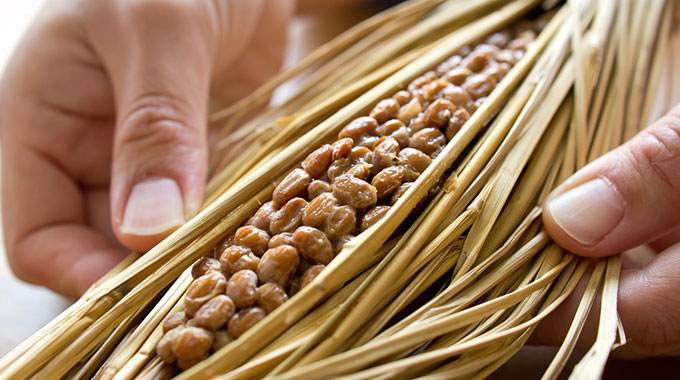
Nattokinase is an enzyme produced during the fermentation of natto. Its primary role is breaking down proteins.
Importantly, natto is the only food that naturally contains nattokinase. While nattokinase is now also available in supplement form, it is sensitive to heat and acidic conditions, meaning that cooking methods or stomach acid may reduce its activity. Because of this, how it is consumed matters.
Natto bacteria, on the other hand, are the microorganisms responsible for fermenting soybeans into natto. These bacteria are relatively resistant to heat and stomach acid and are known to reach the intestines alive.
In short:
Though closely related, they play very different roles.

Nattokinase has been studied in connection with various wellness topics. Below are some areas where it has drawn research interest.
Nattokinase is a protein-degrading enzyme, and research has focused on its interaction with fibrin, a protein involved in blood clot formation. Because of this, nattokinase is often discussed in relation to circulation.
It’s important to note that these findings are based on ongoing research, and individual responses vary. Rather than viewing nattokinase as a remedy, it’s best approached as part of a balanced diet that includes natto as a traditional food.
Foods containing nattokinase have been studied in populations with slightly elevated blood pressure, examining their relationship with blood flow and internal balance.
In Japan, some nattokinase-containing products are registered as Foods with Function Claims, meaning manufacturers submit scientific evidence and usage guidelines to the government. These labels provide information such as recommended intake and precautions, helping consumers make informed choices.
Because nattokinase is a naturally occurring component of natto, it can be relatively easy to incorporate into daily meals. Research continues to explore how nattokinase interacts with the body’s internal environment, making it of interest to those aiming to maintain everyday wellness through diet.
Healthy circulation plays a role in delivering oxygen and nutrients throughout the body, which is why nattokinase is sometimes mentioned in discussions around beauty and vitality. While not a cosmetic ingredient, it is often introduced as part of a diet that supports overall balance.
Nattokinase has also appeared in studies related to biofilms, the sticky bacterial layers that form on teeth and are associated with cavities and gum disease. Some research has observed changes in biofilm structure when nattokinase is introduced under specific conditions.
There are two main ways to consume nattokinase: through natto or via supplements.

Eating natto is the most natural way to consume nattokinase. A commonly referenced serving is one standard pack per day (about 40–50 g).
Nattokinase activity is measured in FU (Fibrin Units), which indicates how effectively the enzyme breaks down fibrin. Higher numbers reflect stronger enzymatic activity.
As a reference:
Actual amounts vary by product, manufacturer, and freshness. Consuming natto as part of a regular meal—without overdoing it—is usually the most practical approach. Excessive intake may cause digestive discomfort in some people.
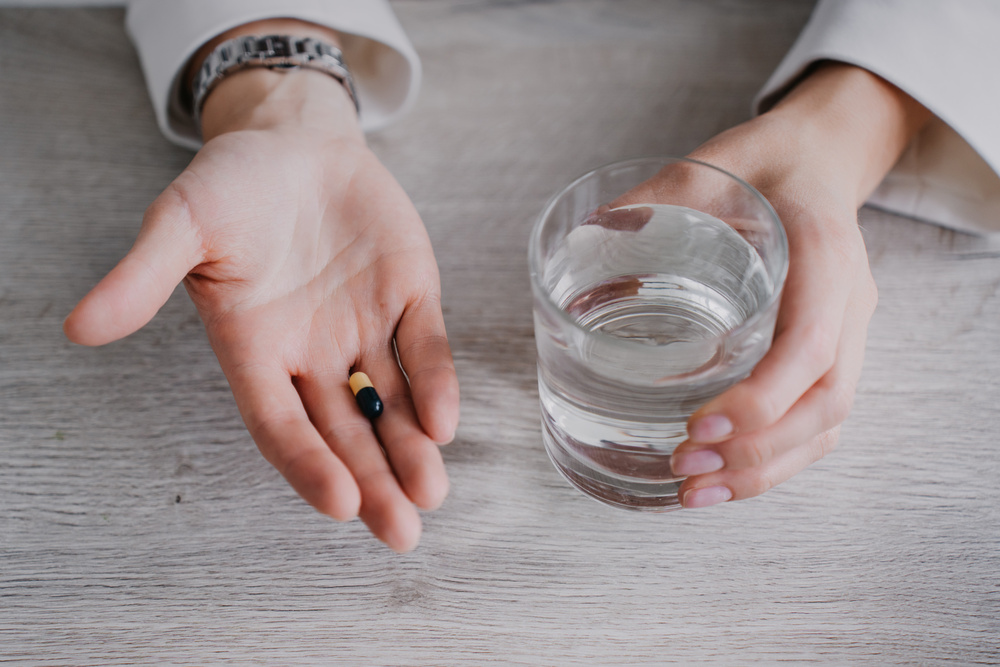
Supplements are an option for those who want a more controlled intake.
Because nattokinase is sensitive to heat, cooked natto dishes may reduce its activity. Supplements avoid this issue. Some products also use acid-resistant capsules to help protect the enzyme from stomach acid.
Natto naturally contains vitamin K, which plays a role in blood clotting. Some nattokinase supplements remove vitamin K during manufacturing, making them easier to consider for individuals who need to monitor vitamin K intake. Always check labels carefully.
Nattokinase can be taken at a time that fits your lifestyle. Some people prefer evening intake or before bedtime, as circulation tends to slow during rest. Others take it with dinner as part of a regular routine.
If you have a sensitive stomach, taking nattokinase after meals may feel gentler. The most important factor is consistency and choosing a time you can comfortably maintain.
Those using anticoagulant medications such as warfarin should be cautious. Vitamin K, found in natto and some supplements, can interfere with these medications. Always consult a healthcare professional before consuming natto or nattokinase supplements.
Supplement labels often advise caution for pregnant or breastfeeding individuals. If considering supplements, consult a doctor or pharmacist. Natto as a regular food may be consumed in moderation as part of a normal diet.

Nattokinase has been studied in relation to circulation, blood pressure, and oral health, making it a component of interest for people focused on lifestyle balance and wellness.
Whether through traditional foods or supplements, it can be incorporated in a way that fits your daily routine, without excess or strain.
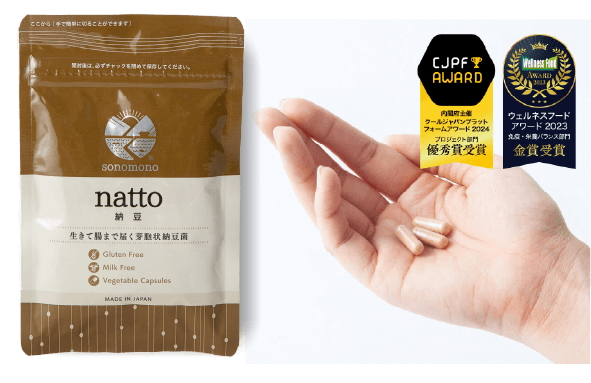
If eating natto every day feels challenging, capsule-based natto products can be an alternative. Products like sonomono Natto allow you to benefit from spore-forming natto bacteria, which are known for surviving digestion, while maintaining a simple daily habit.
化学農薬・化学肥料不使用で栽培された佐賀県江北町産大豆を独自の「そのもの納豆菌」で発酵した納豆のフリーズドライ粉末を100%使用し、植物性ハードカプセルにギュッと詰めました。納豆の栄養や、生きて腸まで届く「芽胞状の納豆菌」を手軽に習慣化できます。


小笠原 和也
そのもの株式会社学術顧問/元九州大学大学院 農学研究院 特任准教授
熊本大学大学院医学教育部卒。 ナットウキナーゼをはじめとする機能性⾷品原料の研究開発、 39年間にわたる納⾖菌を主とする微⽣物学・醗酵学・酵素学の研究開発の経験をもとに幅広く活躍中。
Fit Keyaki 602, 2-16-6 Kego, Chuo Ward, Fukuoka, 810-0023, Japan
Customer support
Legal and Corporate Information
Ordering and Inquiries by Phone
Attention available only in Japanese.
Operating Hours: 9:00 AM to 5:00 PM(Closed on weekends and Japanese holidays)
For Media Coverage or Lecture Requests

Operating Hours: 1:00 PM to 5:00 PM (Weekdays only)※Click here for inquiries regarding business purposes.
Please input the required information and submit. We will respond from the next business day.